Understanding Natural Supplements for Men
An educational resource exploring the world of natural ingredients, their historical context, and how they relate to everyday wellness and balanced living.
Explore Educational Content
An educational resource exploring the world of natural ingredients, their historical context, and how they relate to everyday wellness and balanced living.
Explore Educational Content

Natural supplements refer to products derived from plant-based sources, minerals, and other naturally occurring compounds. These substances have been part of various cultural traditions around the world for centuries.
This educational platform aims to provide factual information about common ingredients found in supplements marketed toward men, explaining their origins, traditional uses, and general characteristics without making any health claims or recommendations.
Educational Purpose: The information presented here is purely educational and does not constitute advice of any kind. Individual circumstances vary significantly.
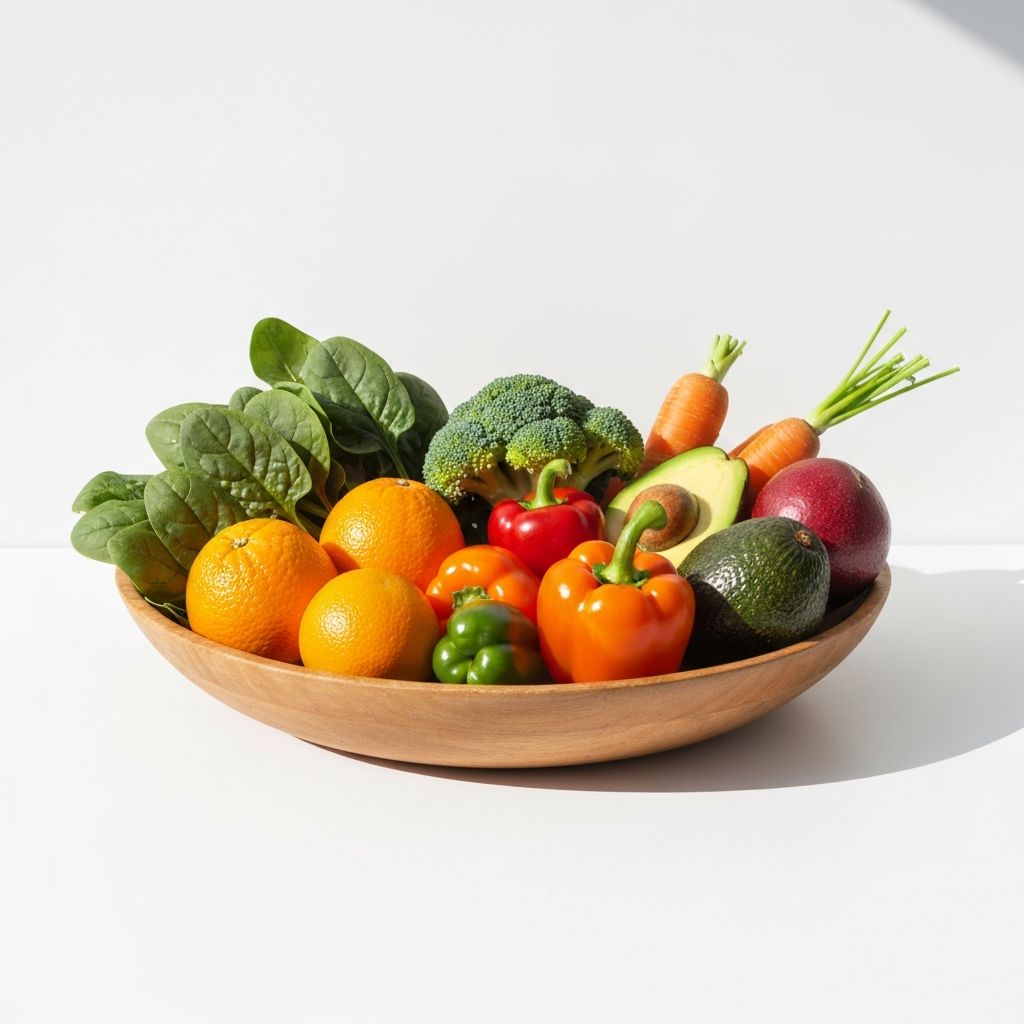
Essential nutrients play various roles in bodily functions. Many natural ingredients contain combinations of vitamins and minerals that have been studied in scientific literature.
Common examples include zinc, magnesium, and various B-vitamins found in whole foods and plant extracts.

Plant-based extracts have been used in traditional practices across many cultures. These include roots, leaves, and seeds that contain various bioactive compounds.
Understanding the historical context of these ingredients provides insight into their traditional applications.

Amino acids are building blocks of proteins found naturally in many foods. Some supplements contain isolated amino acids derived from natural sources.
These compounds are part of normal dietary intake and are present in various protein-rich foods.
This information is provided for educational purposes only. It does not represent individual recommendations, and approaches to wellness vary widely among individuals. This content does not replace personal decision-making or professional consultation when appropriate.

Understanding natural supplements exists within a broader context of daily habits and lifestyle choices. Nutrition, physical activity, rest, and stress management all contribute to overall wellbeing.
Many traditional cultures have emphasized the importance of balanced routines that incorporate various food sources and natural ingredients as part of everyday life.
Throughout history, different societies have developed unique approaches to incorporating natural ingredients into their daily routines. These practices reflect cultural values and available resources in different regions.
Studying these historical perspectives provides educational insight into how various communities have approached wellness concepts over time.
This website serves as an educational platform to explain concepts related to natural supplements and ingredients. It provides factual information about various substances without making recommendations or promoting any specific products or actions.
No. This website does not provide individual recommendations, advice, or guidance. All content is purely educational and informational in nature. Individual circumstances vary, and personal decisions should be made independently.
This resource discusses plant-based ingredients, vitamins, minerals, and amino acids commonly found in natural supplements. The focus is on explaining their origins, traditional uses, and general characteristics from an educational perspective.
No. This is an independent educational resource. It does not sell products, offer services, or promote commercial activities. The sole purpose is to provide educational content about natural ingredients and supplements.
The information should be used solely for educational purposes to understand general concepts about natural ingredients. It is not intended to influence decisions or replace independent research and personal judgment.
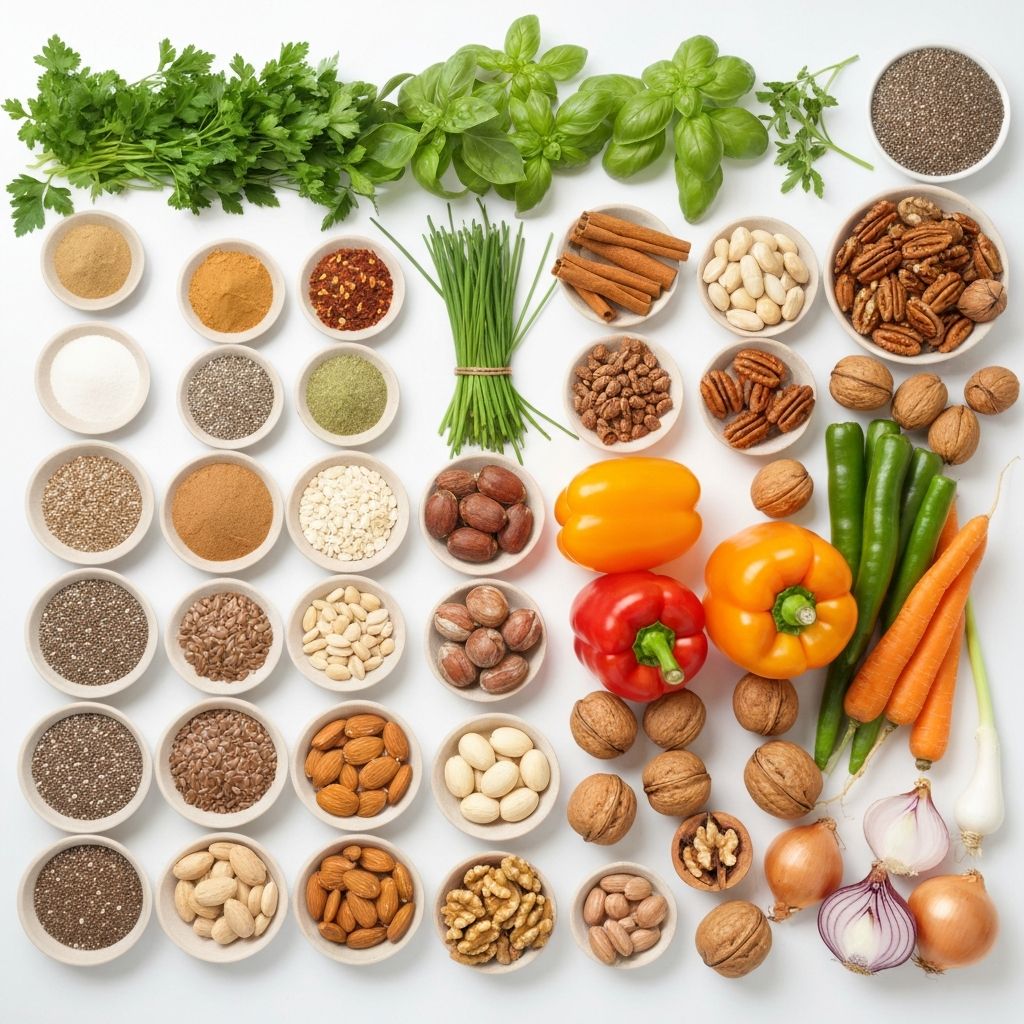
Natural supplements can be broadly categorized based on their primary ingredients and traditional applications. Understanding these categories helps provide context for educational exploration.
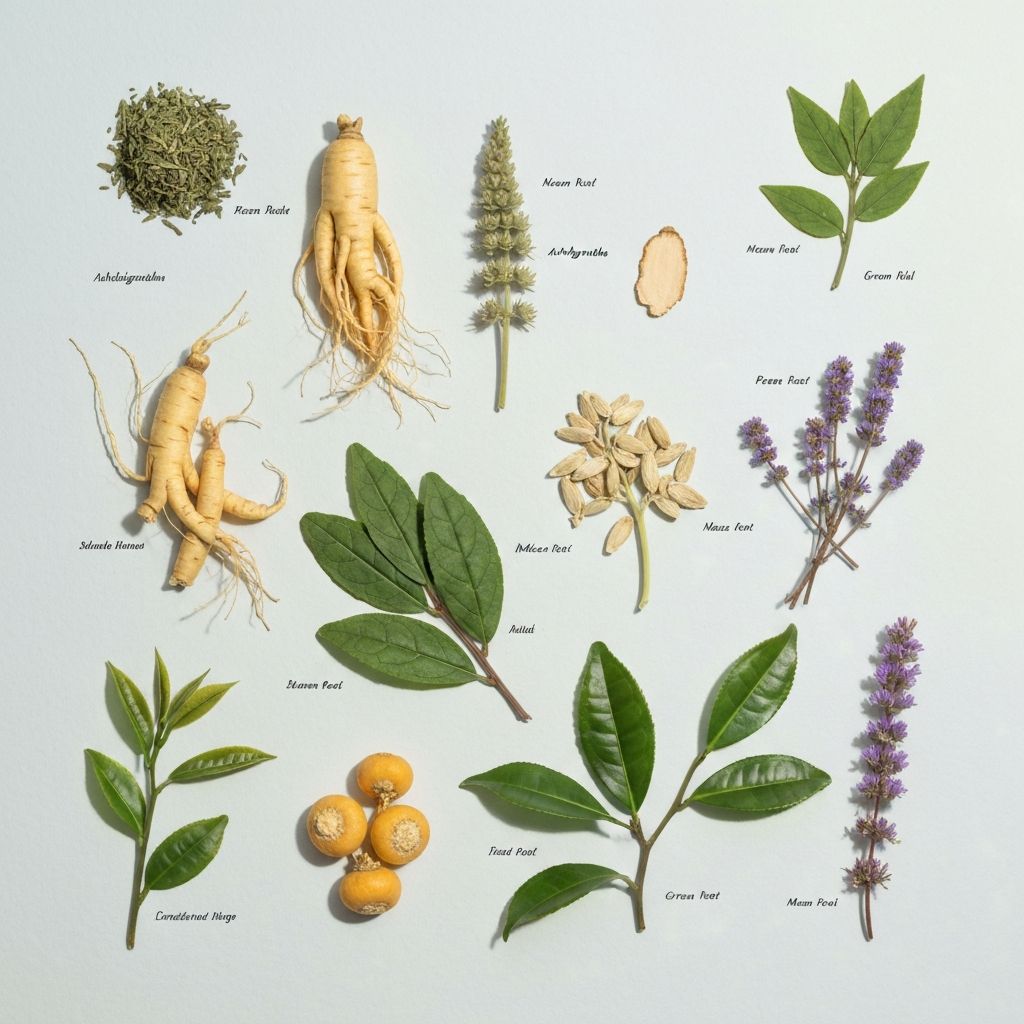
Many natural supplements derive their ingredients from plant sources that have been used in various cultural traditions. Here are some commonly discussed plant-based ingredients:
A root used in traditional Asian practices for centuries. Various species exist with different characteristics.
An herb from the nightshade family, traditionally used in Ayurvedic practices originating from India.
A plant native to Peru, traditionally consumed as a food source in Andean cultures.
A plant found in various regions, historically mentioned in traditional Mediterranean practices.
| Ingredient Type | Common Sources | Traditional Context |
|---|---|---|
| Vitamins | Fruits, vegetables, grains | Dietary supplementation |
| Minerals | Whole foods, seafood, nuts | Nutritional support |
| Herbal Extracts | Roots, leaves, seeds | Traditional practices |
| Amino Acids | Protein-rich foods | Dietary intake |
| Fatty Acids | Fish, seeds, nuts | Nutritional context |
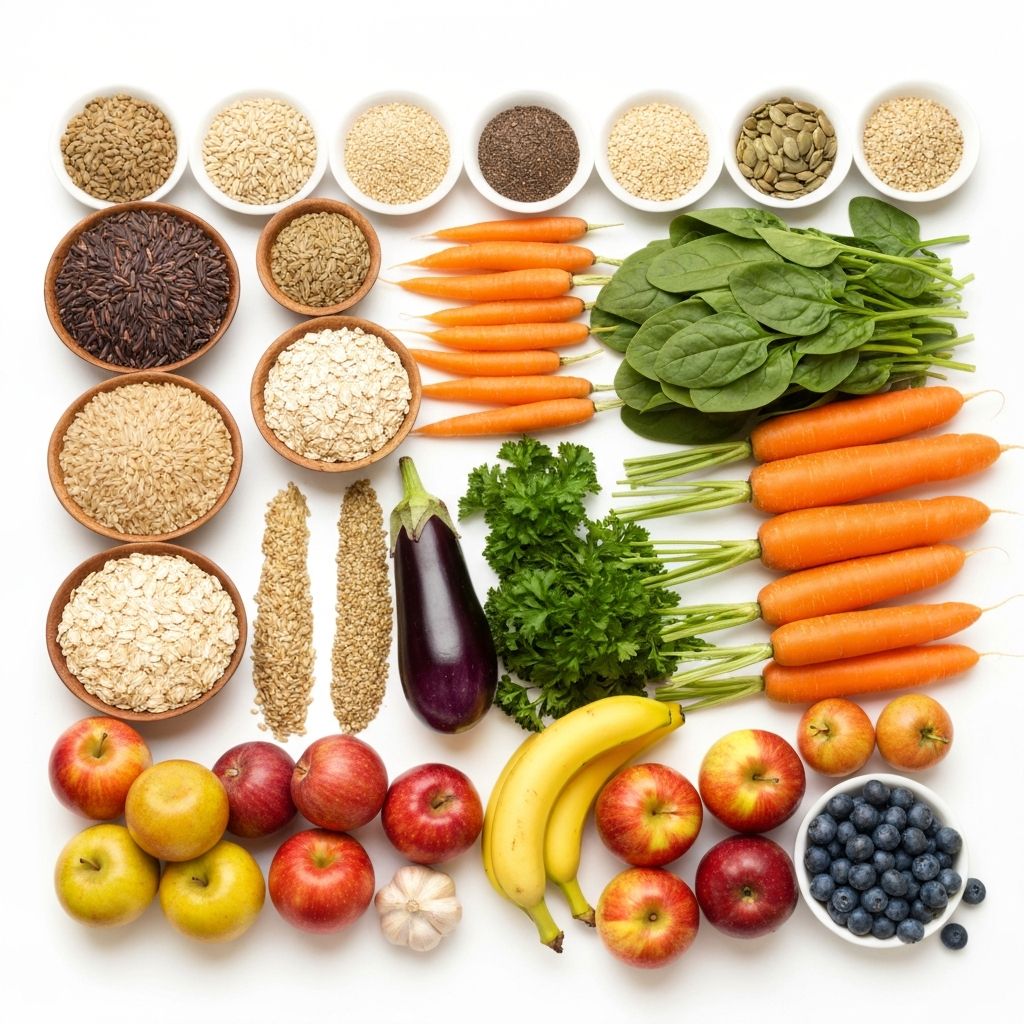
This comparative information is provided for educational context only. It does not represent recommendations or endorsements. Individual needs and circumstances vary significantly, and this information should not influence personal decisions.
General educational information about nutritional concepts that are commonly discussed in wellness literature:
These points represent general educational concepts commonly found in nutritional literature. They do not constitute individual advice, and dietary approaches vary based on personal circumstances. This information does not replace independent decision-making.
For educational inquiries only. This form does not process service requests.
Educational Resource on Natural Supplements
Address:
Jl. Merdeka Barat No.12, Jakarta, Indonesia
Phone:
+62 812 3456 7891
Email:
[email protected]
Educational content only. No services provided.
Continue learning about natural ingredients and their historical context through our educational resources.
Learn More About This Resource